
Understanding Waste-to-Electricity: Common Misconceptions Debunked


Introduction to Waste-to-Electricity
As the global population continues to grow, so does the waste it generates. Waste-to-electricity, also known as waste-to-energy (WtE), is a revolutionary technology that converts waste materials into usable electricity. Despite its potential, there are numerous misconceptions surrounding this technology that can hinder its acceptance and implementation. In this blog post, we aim to debunk some of these common myths and shed light on the true benefits of waste-to-electricity.

Myth 1: Waste-to-Electricity Is Harmful to the Environment
A prevalent misconception is that waste-to-electricity plants are detrimental to the environment. In reality, these facilities are designed with advanced emission control systems that significantly reduce the release of harmful pollutants. Furthermore, by diverting waste from landfills, WtE plants help minimize methane emissions, a potent greenhouse gas that contributes to climate change.
Moreover, waste-to-electricity processes can reduce the volume of waste by up to 90%, which not only conserves landfill space but also reduces the need for new landfill sites. This environmental benefit underscores the value of WtE as a sustainable waste management solution.
Myth 2: Waste-to-Electricity Competes with Recycling
Another common misconception is that waste-to-electricity competes with recycling efforts. However, WtE is designed to complement recycling by handling waste that cannot be recycled efficiently. For example, materials such as non-recyclable plastics and contaminated paper are ideal candidates for energy conversion rather than landfill disposal.
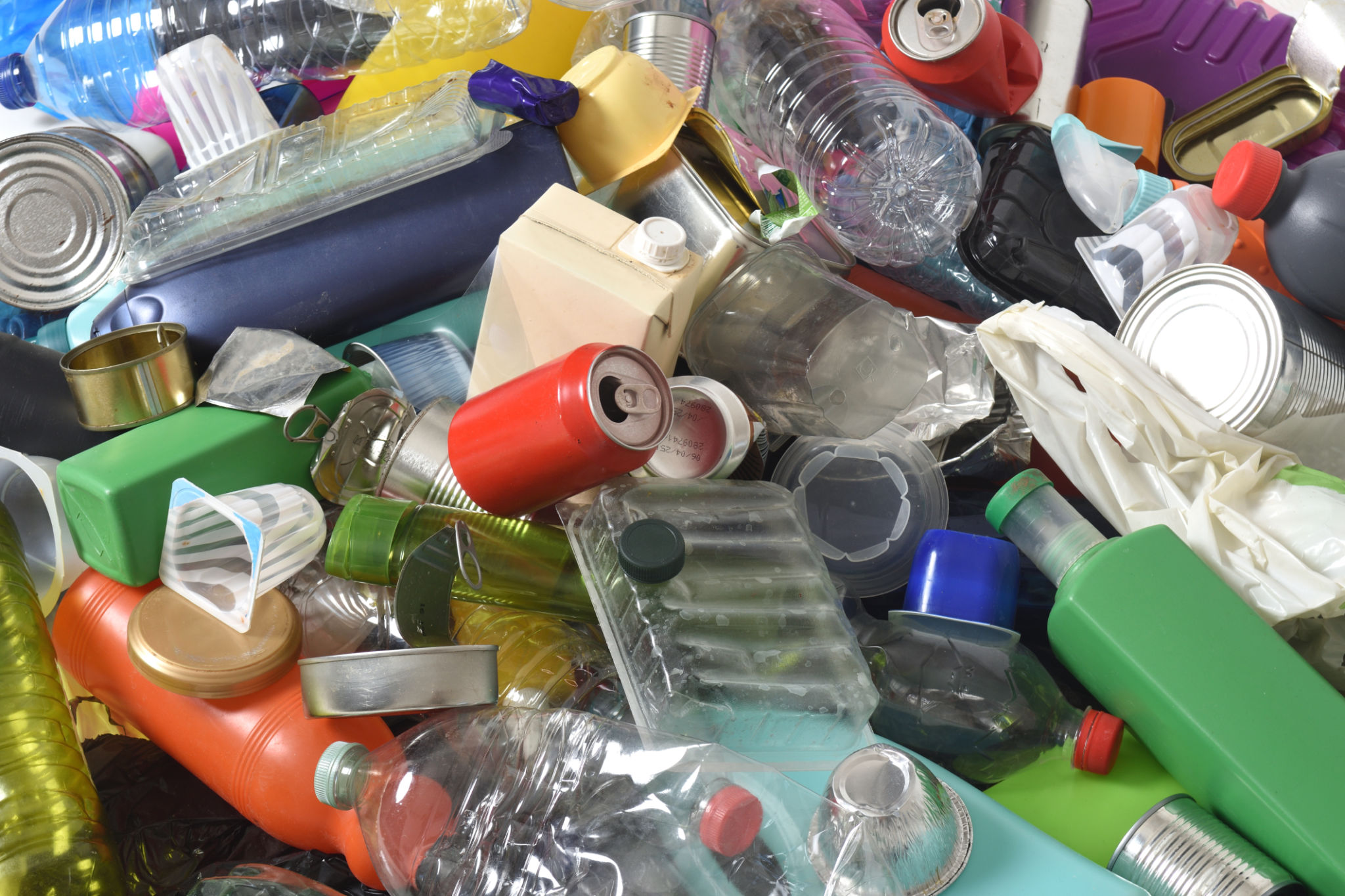
In fact, many advanced WtE facilities work in conjunction with recycling programs to ensure that recyclable materials are sorted and processed before conversion. This collaborative approach not only optimizes resource recovery but also enhances the overall effectiveness of sustainable waste management strategies.
Myth 3: Waste-to-Electricity Is Inefficient
There is a perception that waste-to-electricity is an inefficient method of generating power. While it is true that the energy conversion efficiency of WtE plants may not match that of traditional fossil fuel power plants, it is important to consider the broader context. Waste-to-energy provides a dual benefit: it generates electricity while simultaneously managing waste.
Modern WtE plants are equipped with technologies that maximize energy recovery from waste, achieving efficiencies between 20% and 30%. When combined with heat recovery systems, these plants can achieve even higher levels of overall energy efficiency, making them a valuable component of a diversified energy portfolio.
Myth 4: Waste-to-Electricity Is Not Economically Viable
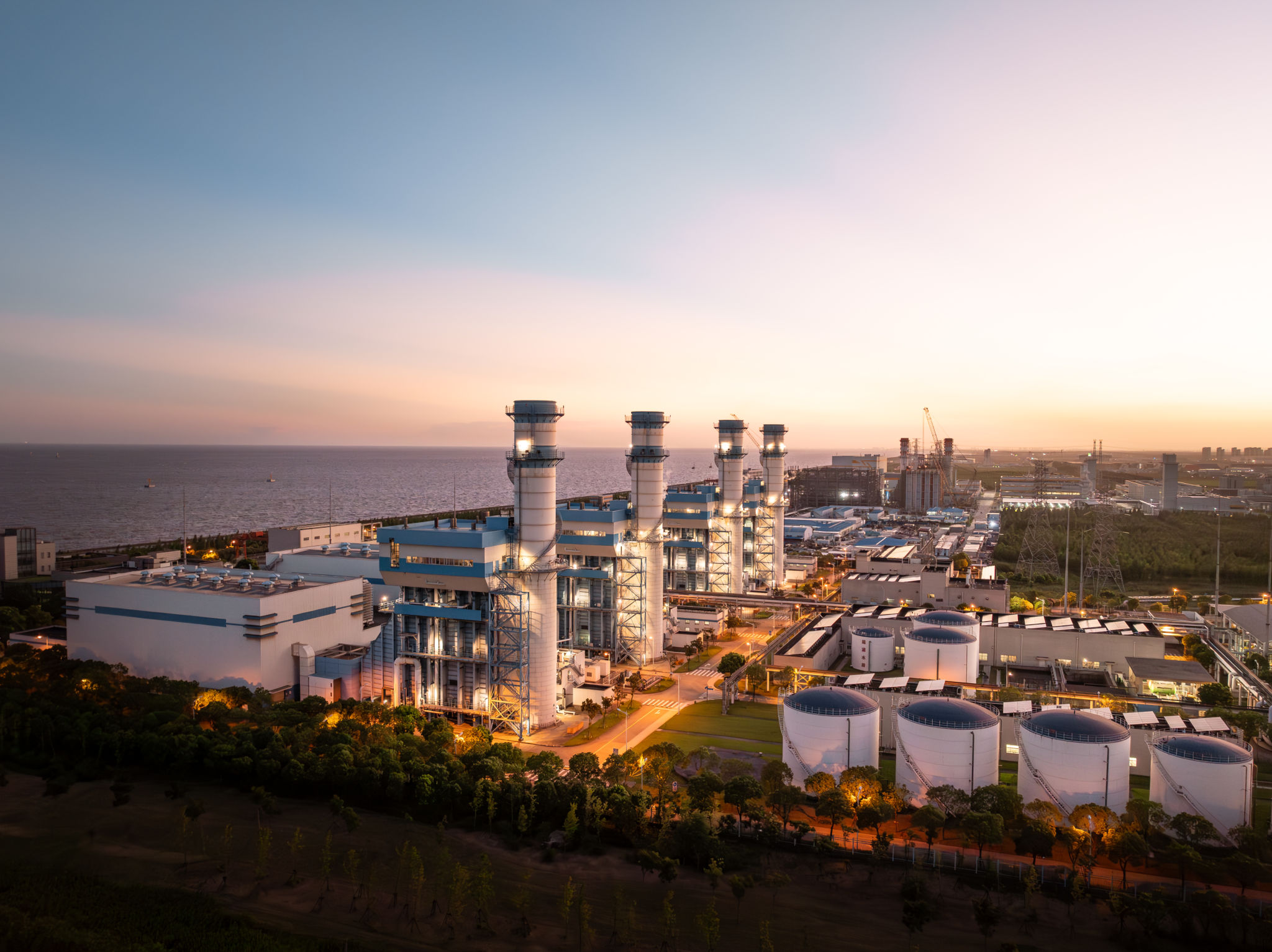
Some skeptics argue that the economic viability of waste-to-electricity projects is questionable. However, many successful case studies demonstrate that WtE can be a cost-effective solution when implemented correctly. The key lies in proper planning and integration with existing waste management and energy infrastructure.
In addition to generating revenue through electricity sales, WtE facilities can also benefit from tipping fees charged for waste processing. This dual revenue stream helps offset operational costs and can lead to financial sustainability over time.
Conclusion: Embracing Waste-to-Electricity
Understanding and addressing the misconceptions surrounding waste-to-electricity is crucial for its adoption and success. By recognizing its environmental benefits, compatibility with recycling, efficiency in energy generation, and economic potential, we can embrace waste-to-energy as a vital tool in our global effort to manage waste sustainably while meeting energy needs.
As technology continues to advance and awareness grows, it is likely that more communities and governments will recognize the value of integrating waste-to-electricity solutions into their sustainability plans. This not only paves the way for a cleaner environment but also helps in the creation of a more resilient and sustainable energy future.