
Understanding the Challenges of Waste Management in Cameroon


Introduction to Waste Management in Cameroon
Waste management is a critical issue facing many developing countries, and Cameroon is no exception. The challenge of dealing with increasing amounts of waste is compounded by rapid urbanization, a growing population, and limited resources. As cities expand and consumption patterns change, effective waste management systems become essential for maintaining public health and environmental sustainability.
Current Waste Management Practices
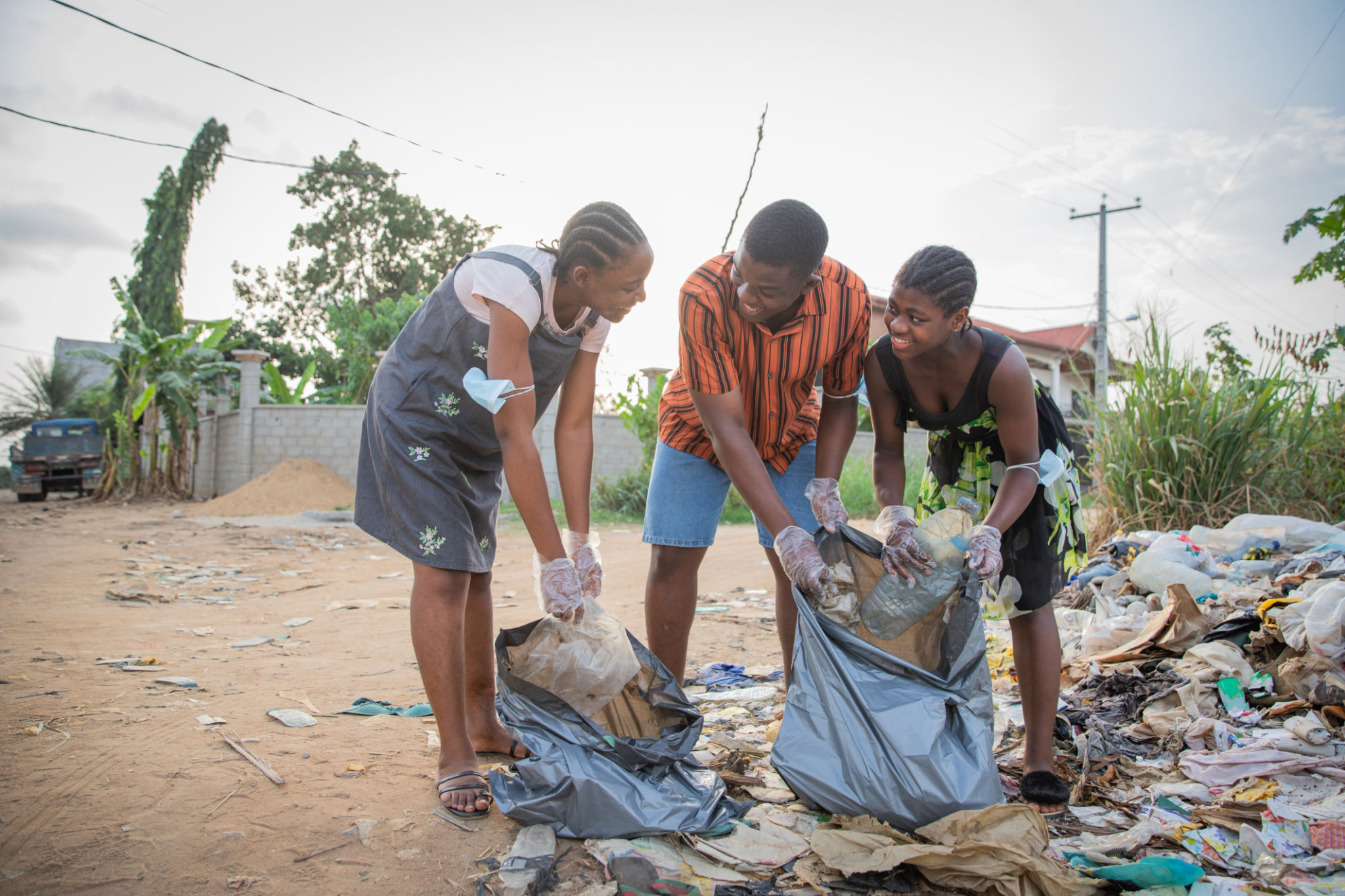
In Cameroon, waste management practices are still in their infancy. Most cities rely on open dumps, where waste is often burned or left to decompose. This method poses significant environmental hazards, contributing to air and water pollution. Furthermore, the lack of formal recycling mechanisms means that valuable materials are often lost, rather than being reused or repurposed.
The collection and disposal of waste are typically managed by local municipalities, but they often face challenges such as inadequate funding, insufficient infrastructure, and a lack of trained personnel. These constraints hinder the implementation of efficient waste management strategies, leading to unsanitary conditions in many urban areas.
Challenges in Waste Management
One of the primary challenges in Cameroon's waste management sector is the insufficient infrastructure for waste collection and disposal. Many neighborhoods do not have regular waste collection services, resulting in illegal dumping and the accumulation of waste in public spaces. This not only creates health hazards but also affects the aesthetic appeal of urban environments.

Another significant challenge is the lack of public awareness about the importance of proper waste disposal and recycling. Educational campaigns are sporadic and often fail to reach the broader population. Without widespread understanding and participation, efforts to improve waste management practices are hampered.
Environmental and Health Implications
The improper handling of waste has serious environmental and health implications. Open burning of waste releases toxic fumes that contribute to air pollution and respiratory illnesses among residents. Additionally, improperly disposed waste can contaminate water sources, leading to outbreaks of waterborne diseases such as cholera and typhoid.
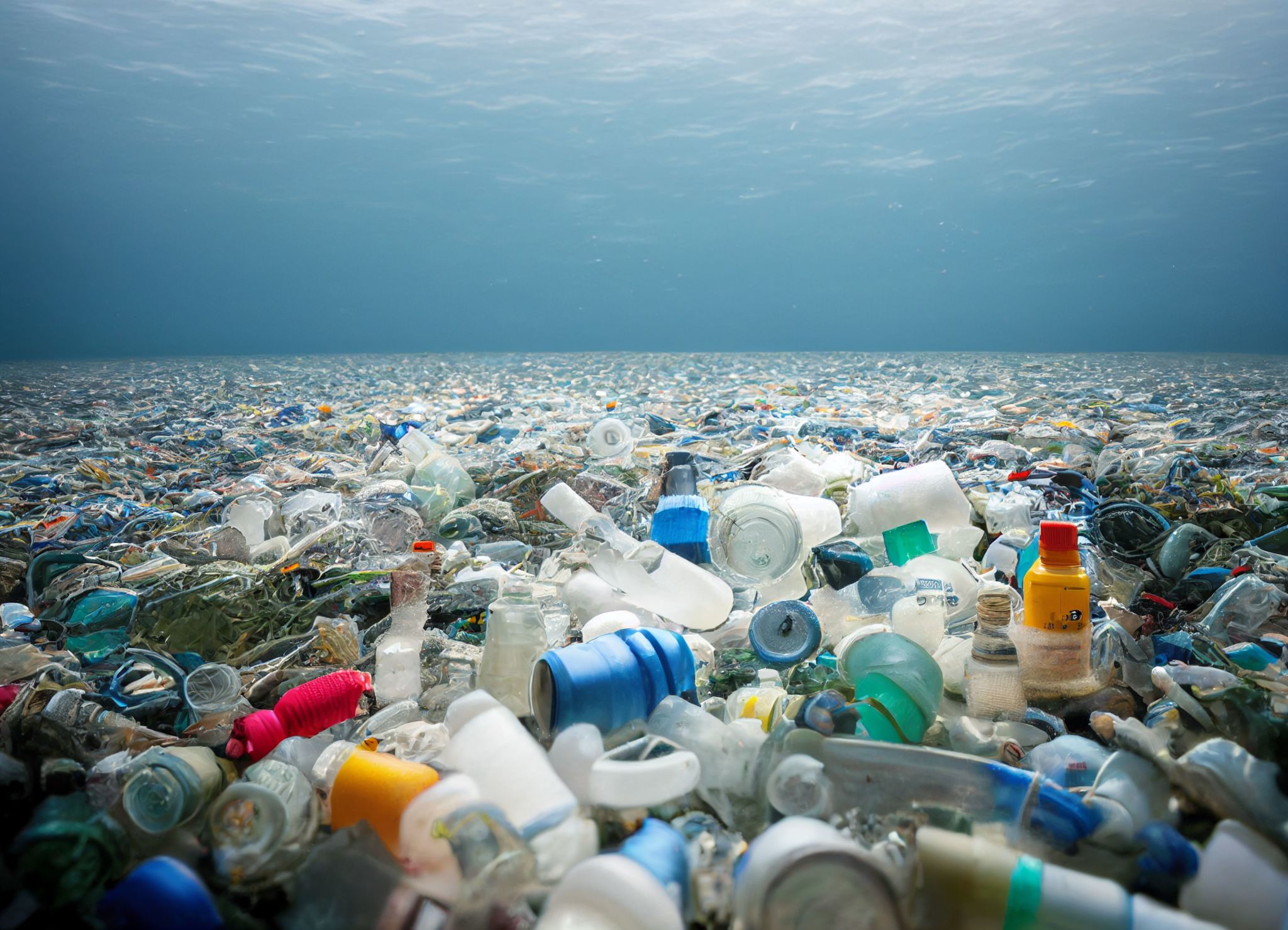
Moreover, plastic waste poses a significant threat to the environment. Without effective recycling programs, plastics accumulate in landfills and natural habitats, causing harm to wildlife and ecosystems. The degradation of these materials releases microplastics, further exacerbating pollution problems.
Opportunities for Improvement
Despite the challenges, there are opportunities for improving waste management in Cameroon. One potential solution is the adoption of integrated waste management systems that incorporate recycling, composting, and energy recovery. These approaches can reduce the volume of waste sent to landfills while generating economic benefits through the sale of recyclables and energy production.
Strengthening partnerships between government agencies, private sector actors, and community organizations is essential for fostering innovation and investment in waste management infrastructure. By collaborating on projects and sharing best practices, stakeholders can develop more efficient and sustainable solutions to the waste problem.
The Role of Technology
Technology can play a crucial role in transforming waste management practices in Cameroon. The use of digital platforms for monitoring waste collection and disposal can enhance efficiency and accountability. Additionally, advancements in waste processing technologies, such as anaerobic digestion and pyrolysis, offer new avenues for turning waste into valuable resources.
Investing in research and development will be key to harnessing these technological innovations. By fostering local expertise and encouraging innovation, Cameroon can develop homegrown solutions that are tailored to its unique challenges.
Conclusion
Addressing the challenges of waste management in Cameroon requires a multifaceted approach that combines infrastructure development, public education, policy reform, and technological innovation. By prioritizing these areas, Cameroon can move towards a more sustainable future where waste is managed effectively, protecting both the environment and public health.