
Transforming Waste into Energy: How Our Solution is Changing Cameroon’s Power Landscape


Introduction to Waste-to-Energy Solutions
In recent years, the concept of waste-to-energy has gained traction as a viable solution for managing waste and generating renewable energy. This innovative approach not only addresses the growing waste management issues but also contributes to sustainable energy production. In Cameroon, where energy shortages are a common challenge, our waste-to-energy solution is revolutionizing the power landscape.
By converting waste materials into electricity, we are helping to bridge the energy gap and providing a cleaner, more sustainable power source for communities across the country. This transformation is crucial in a nation where access to reliable electricity can significantly impact economic growth and quality of life.
Our Innovative Approach
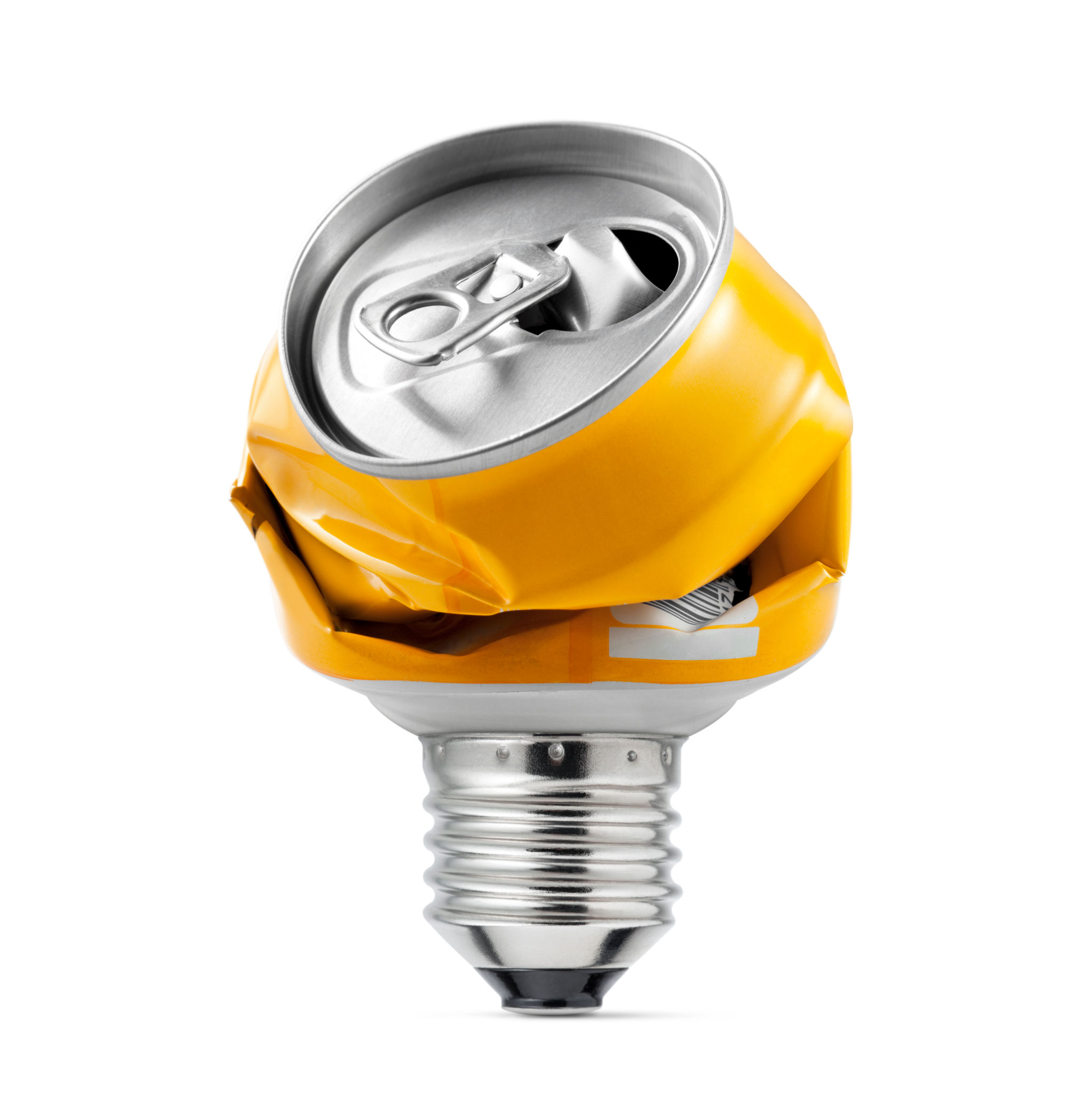
Our waste-to-energy solution involves the use of advanced technology to convert municipal solid waste into clean, renewable energy. The process begins with the collection and sorting of waste materials, ensuring that recyclable materials are separated to maximize efficiency. The remaining waste is then subjected to high temperatures in a controlled environment, where it is converted into energy.
This method not only reduces the volume of waste sent to landfills but also generates electricity that can be fed into the national grid. The result is a dual benefit of waste reduction and energy production, making it a sustainable and environmentally friendly solution.
Environmental and Economic Benefits
Implementing waste-to-energy solutions provides numerous environmental and economic benefits. By reducing reliance on fossil fuels, we are lowering greenhouse gas emissions and mitigating the environmental impact of energy production. Additionally, this approach reduces the need for new landfill sites, which can have detrimental effects on local ecosystems.
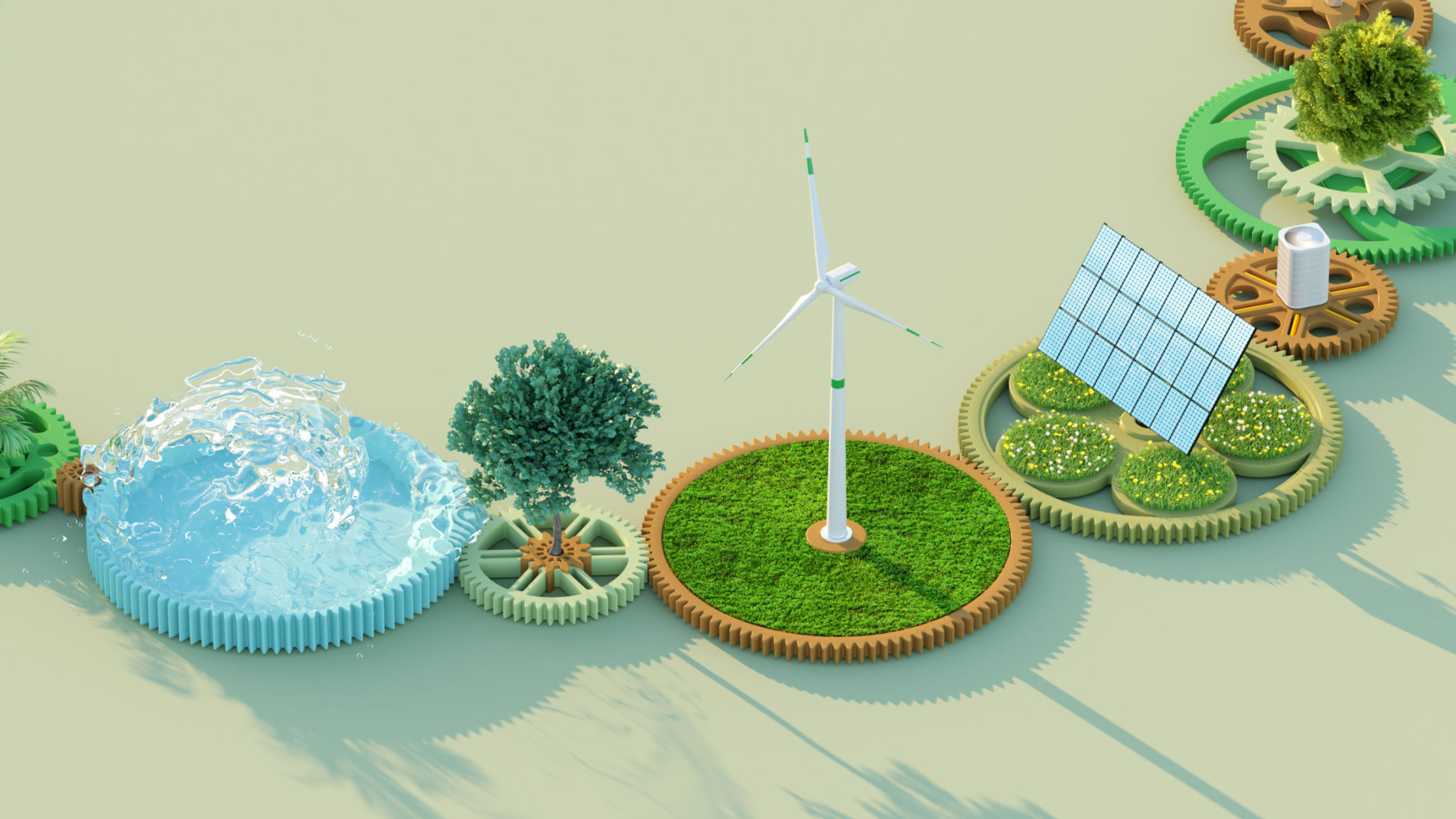
Economically, the adoption of waste-to-energy technology creates job opportunities in waste collection, processing, and plant operation. It also encourages investment in renewable energy infrastructure, fostering economic growth in Cameroon. Moreover, by producing energy locally, we reduce dependency on imported fuels, which can be both costly and subject to volatile market conditions.
Community Impact
The introduction of our waste-to-energy solution has had a profound impact on local communities. Access to reliable electricity has improved healthcare services, facilitated education through access to better resources, and enhanced overall living conditions. By providing a stable energy supply, we are empowering communities to thrive and grow sustainably.
The project also involves community engagement initiatives to educate residents on the importance of waste management and renewable energy. By involving local populations in these educational programs, we are fostering a culture of sustainability and environmental responsibility.

Future Prospects
As we look to the future, the potential for expanding our waste-to-energy solution across Cameroon is immense. With continued investment and technological advancements, we aim to increase capacity and reach more communities in need of reliable energy sources. Our vision is to create a network of waste-to-energy facilities that will transform Cameroon’s power landscape entirely.
By doing so, we hope to inspire other nations facing similar challenges to adopt waste-to-energy technologies as part of their energy strategies. The success of our project in Cameroon serves as a testament to the viability and impact of integrating sustainable practices into national development agendas.
Conclusion
The transformation of waste into energy represents a significant leap forward in addressing both waste management and energy production challenges. Our solution is not just changing Cameroon’s power landscape but is also setting a precedent for sustainable development worldwide. As we continue to innovate and expand our efforts, we remain committed to creating a cleaner, greener future for all.