
Top Reasons to Choose Waste-to-Electricity Solutions for Your Farm


Embrace Sustainability with Waste-to-Electricity Solutions
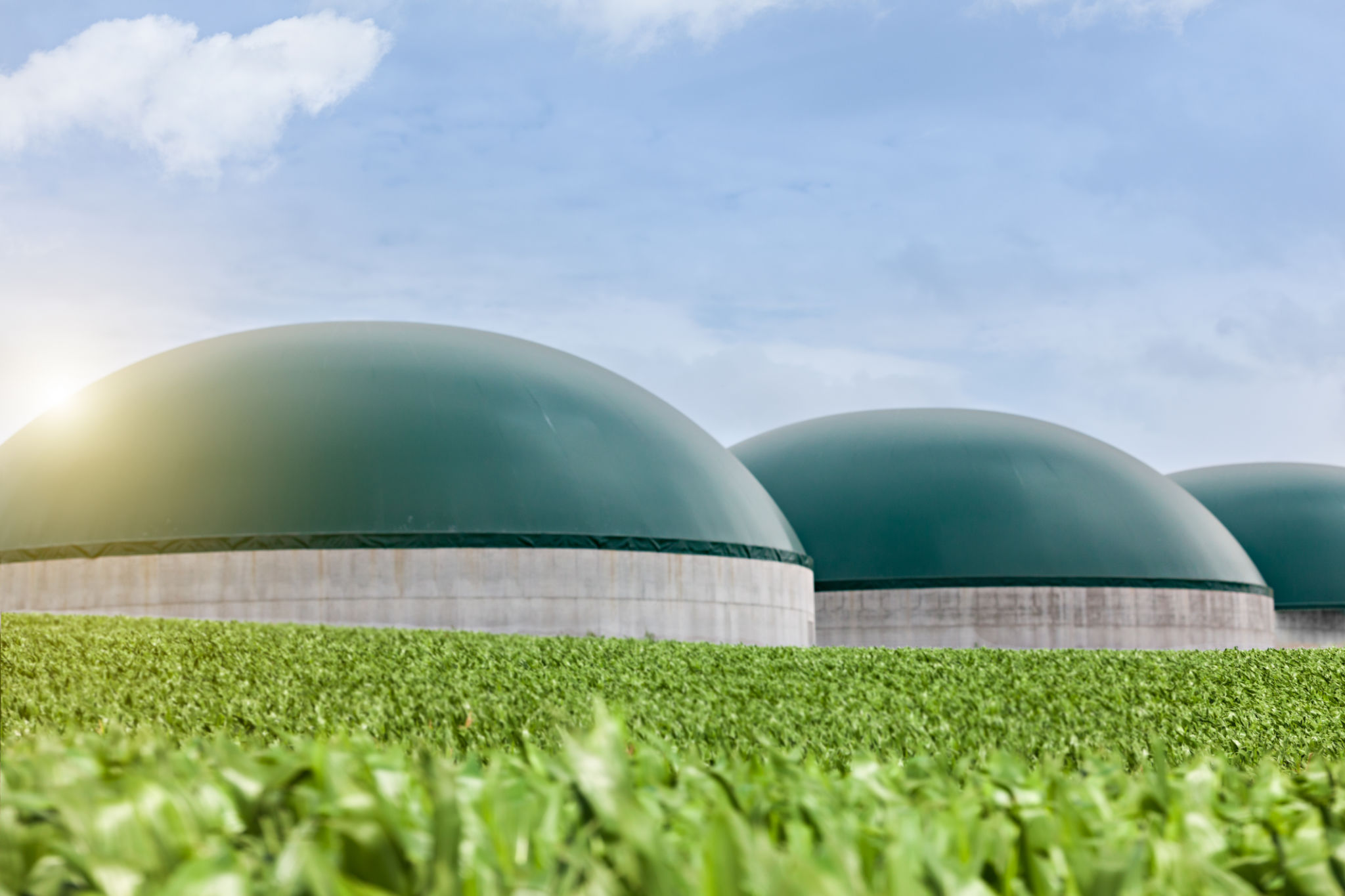
As the world increasingly focuses on sustainable practices and renewable energy, farms are uniquely positioned to contribute to this green revolution. One compelling approach is the adoption of waste-to-electricity solutions. This innovative technology not only addresses waste management challenges but also offers a transformative way to generate electricity. By converting organic waste into clean energy, farms can significantly reduce their carbon footprint while enjoying economic and operational benefits.
Reduce Environmental Impact
One of the most compelling reasons to choose waste-to-electricity solutions for your farm is the substantial reduction in environmental impact. Traditional waste disposal methods often release harmful greenhouse gases, contributing to climate change. By converting waste into electricity, farms can significantly cut down on methane and carbon dioxide emissions. This not only helps in combating global warming but also supports the farm's commitment to sustainable practices.
Cost-Effective Energy Production
Another advantage of adopting waste-to-electricity technology is its potential for cost-effective energy production. Farms can utilize existing organic waste, such as animal manure or crop residues, to generate electricity. This reduces dependency on external energy sources and lowers utility bills. In some cases, surplus electricity can be sold back to the grid, creating an additional revenue stream for the farm.

Efficient Waste Management
Managing waste efficiently is a challenge for many farms. Waste-to-electricity solutions offer a practical solution by turning potential liabilities into valuable resources. By processing organic waste onsite, farms can minimize the need for costly waste disposal services. This not only reduces operational costs but also contributes to a cleaner and more organized farm environment.
Improve Soil Health
In addition to generating electricity, waste-to-energy systems produce nutrient-rich digestate as a byproduct. This material can be used as a natural fertilizer, enhancing soil health and boosting crop yields. By recycling nutrients back into the soil, farms can reduce their reliance on chemical fertilizers, promoting more sustainable and organic farming practices.

Energy Independence and Security
By producing electricity onsite, farms can achieve greater energy independence and security. This is particularly beneficial in rural areas where access to reliable energy sources may be limited. Having a self-sustained power supply ensures that critical farm operations continue smoothly, even during power outages or grid disruptions.
Support for Government Incentives
Many governments offer incentives and subsidies to encourage the adoption of renewable energy technologies, including waste-to-electricity systems. By investing in these solutions, farms may qualify for financial support, tax credits, or grants, further enhancing the economic viability of the technology.
In conclusion, waste-to-electricity solutions present a win-win opportunity for farms looking to embrace sustainability while improving their operational efficiency. By turning waste into a valuable resource, farms not only contribute to environmental conservation but also enhance their bottom line. It's time for farms to harness the power of their waste and be at the forefront of the renewable energy movement.