
Seasonal Insights: Preparing Your Farm for Efficient Waste-to-Energy Conversion


Understanding Waste-to-Energy Conversion
As the agricultural industry evolves, more farmers are exploring sustainable practices to enhance efficiency and reduce environmental impact. One such practice is waste-to-energy conversion, a process that transforms agricultural waste into usable energy. This not only helps in reducing waste but also provides an alternative energy source, contributing to both environmental sustainability and operational cost savings.
The waste-to-energy conversion process involves several steps, including the collection, processing, and conversion of waste into energy. By preparing your farm for this transition, you can optimize these steps to ensure maximum efficiency and output. The key is to understand both the benefits and the challenges associated with this innovative approach.
Identifying Suitable Waste Materials
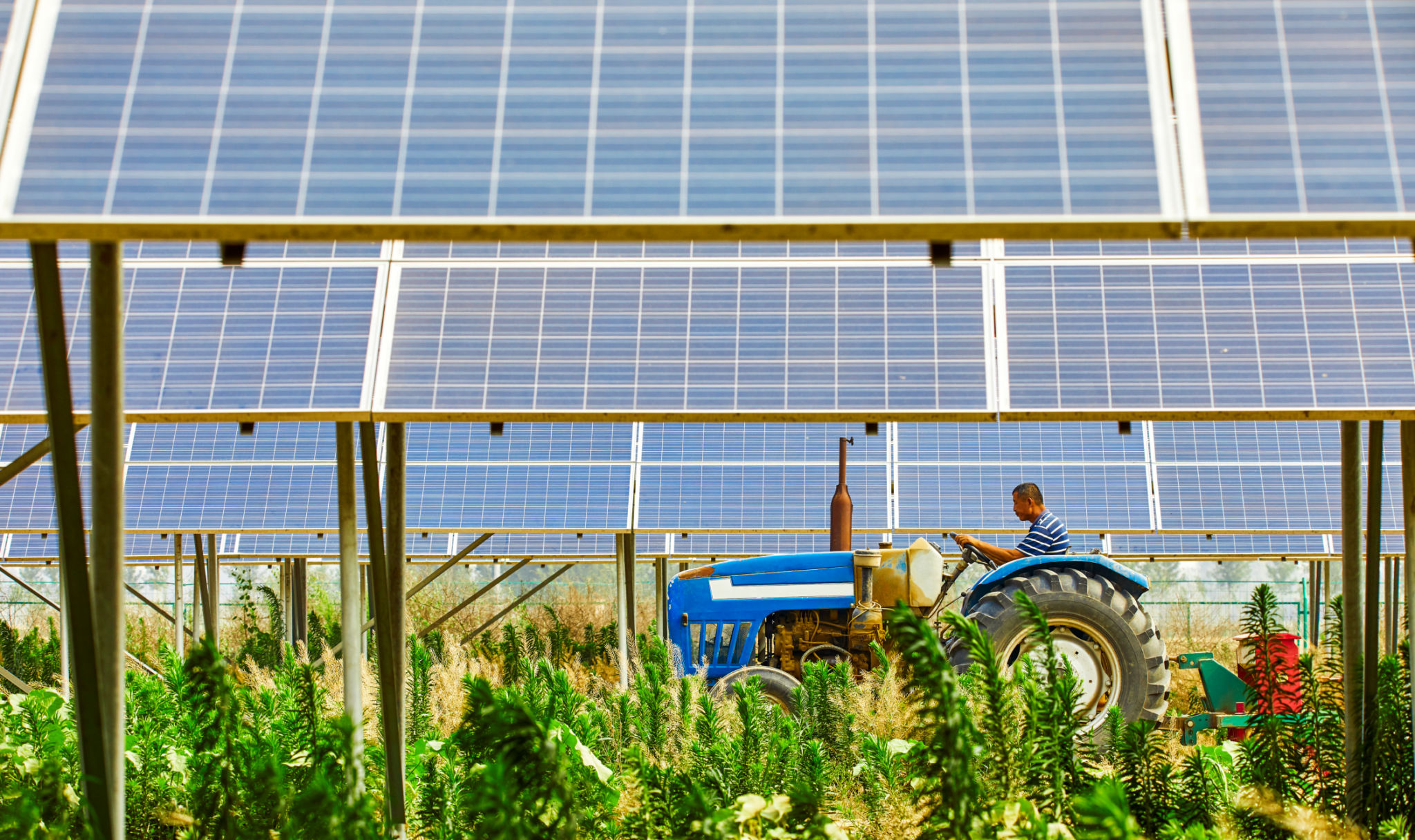
Before implementing a waste-to-energy system, it's important to identify what type of agricultural waste your farm produces. Common types include manure, crop residues, and food processing wastes. Each type has a different energy potential, so understanding the composition and volume of your waste can help determine the most effective conversion method.
Manure, for instance, is typically used in anaerobic digestion processes, while crop residues might be more suitable for combustion or gasification. Conducting a thorough assessment of your farm's waste streams will enable you to select the best technology and strategy to maximize energy production.

Implementing Efficient Collection Systems
A crucial step in preparing your farm for waste-to-energy conversion is setting up an efficient waste collection system. This involves organizing how waste is gathered, stored, and transported to the processing facility. A well-planned collection system minimizes energy loss and reduces contamination risks, ensuring a higher quality feedstock for energy production.
Consider implementing designated collection areas, utilizing covered storage solutions, and scheduling regular transport to maintain a steady flow of material to your conversion facility. These steps help streamline the process and enhance overall efficiency.
Choosing the Right Conversion Technology
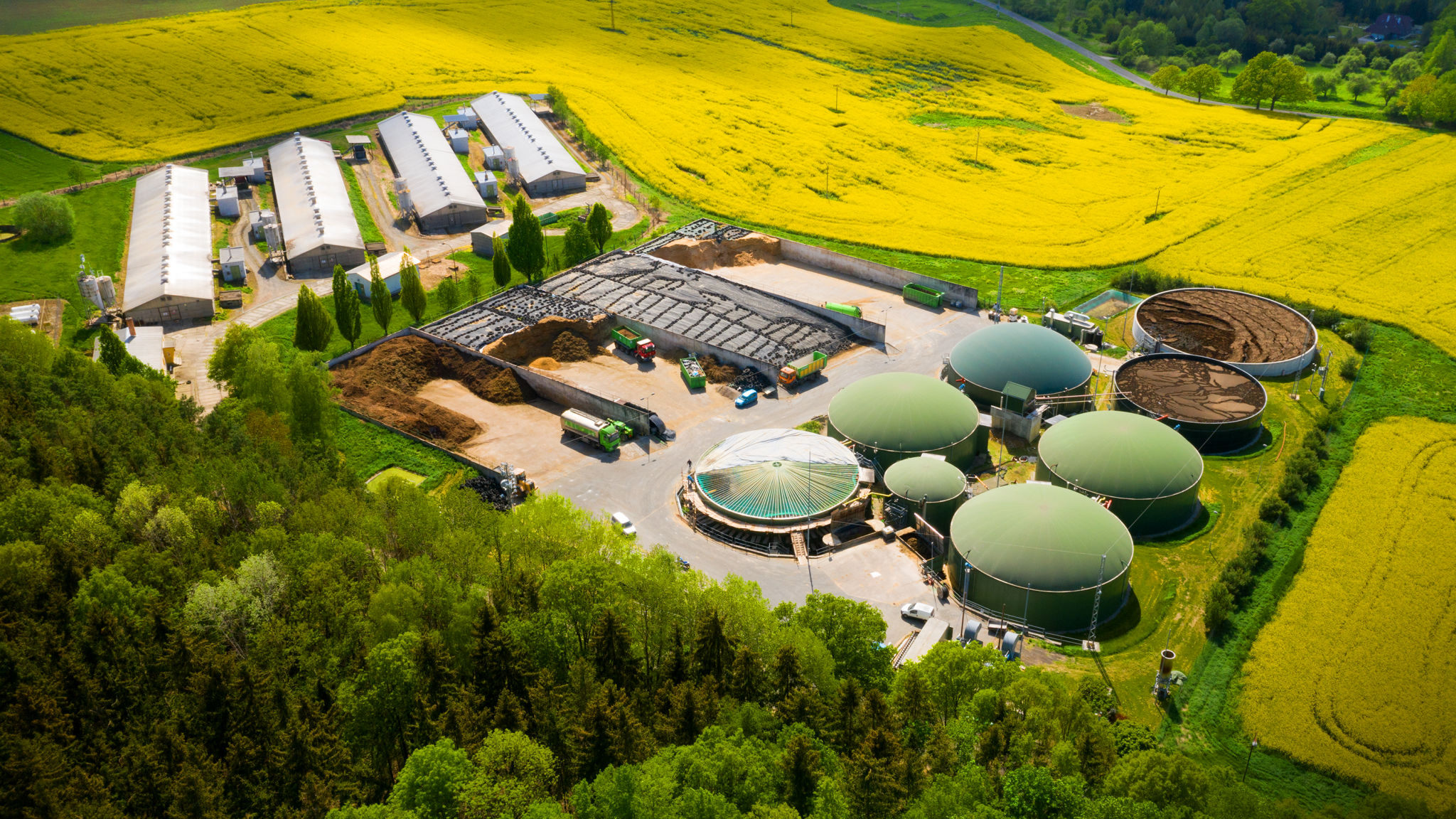
There are several technologies available for converting waste into energy, including anaerobic digestion, gasification, and combustion. Each technology has its advantages and is suited to different types of waste materials. Anaerobic digestion, for example, is ideal for wet organic materials like manure, while gasification works well with dry biomass.
When selecting a technology, consider factors such as the scale of your operation, initial investment costs, operational complexity, and potential energy yields. Consulting with experts or collaborating with other farmers can provide valuable insights into the most suitable options for your specific needs.
Maximizing Energy Efficiency
Once you've selected a conversion technology, focus on maximizing energy efficiency. This involves optimizing the operational parameters of your chosen system to ensure it runs at peak performance. Regular maintenance and monitoring are essential to identify any inefficiencies or malfunctions that could reduce energy output.
Investing in training for your team on system operation and maintenance can also contribute significantly to maximizing efficiency. By being proactive in managing your waste-to-energy system, you can ensure consistent energy production and long-term sustainability.

Leveraging Seasonal Insights
Seasonal variations can impact the availability and type of waste on your farm, affecting your waste-to-energy conversion process. For instance, certain crops produce more residues during specific harvest times. Understanding these patterns allows you to adjust your waste management strategies accordingly.
Planning for peak periods of waste production ensures that your conversion systems are adequately prepared to handle increased volumes. This not only optimizes energy output but also prevents potential issues related to excess waste accumulation.
Exploring Additional Benefits
Beyond energy production, waste-to-energy conversion offers numerous additional benefits for farms. It reduces reliance on fossil fuels, lowers greenhouse gas emissions, and can even produce valuable by-products like biochar or digestate, which can be used as soil amendments.
By transforming agricultural waste into a resource, farmers can improve their environmental footprint while potentially generating additional revenue streams from energy sales or by-products. This holistic approach promotes a more sustainable and economically viable farming operation.
Conclusion
Preparing your farm for efficient waste-to-energy conversion requires careful planning and implementation. By understanding the available technologies, optimizing collection systems, and leveraging seasonal insights, farmers can successfully integrate this sustainable practice into their operations.
Embracing waste-to-energy conversion not only supports environmental sustainability but also enhances farm profitability and resilience in the face of changing energy landscapes. As more farmers adopt these practices, the agricultural sector moves closer to a greener future.