
Revolutionize Your Waste Management: The Benefits of Waste-to-Electricity Solutions


Understanding Waste-to-Electricity Solutions
In recent years, waste-to-electricity solutions have gained significant attention as a sustainable way to manage the growing waste problem while simultaneously generating energy. This innovative approach converts waste materials into electricity, offering a dual benefit of reducing landfill use and producing renewable energy. As environmental concerns rise, adopting such solutions is becoming increasingly crucial.
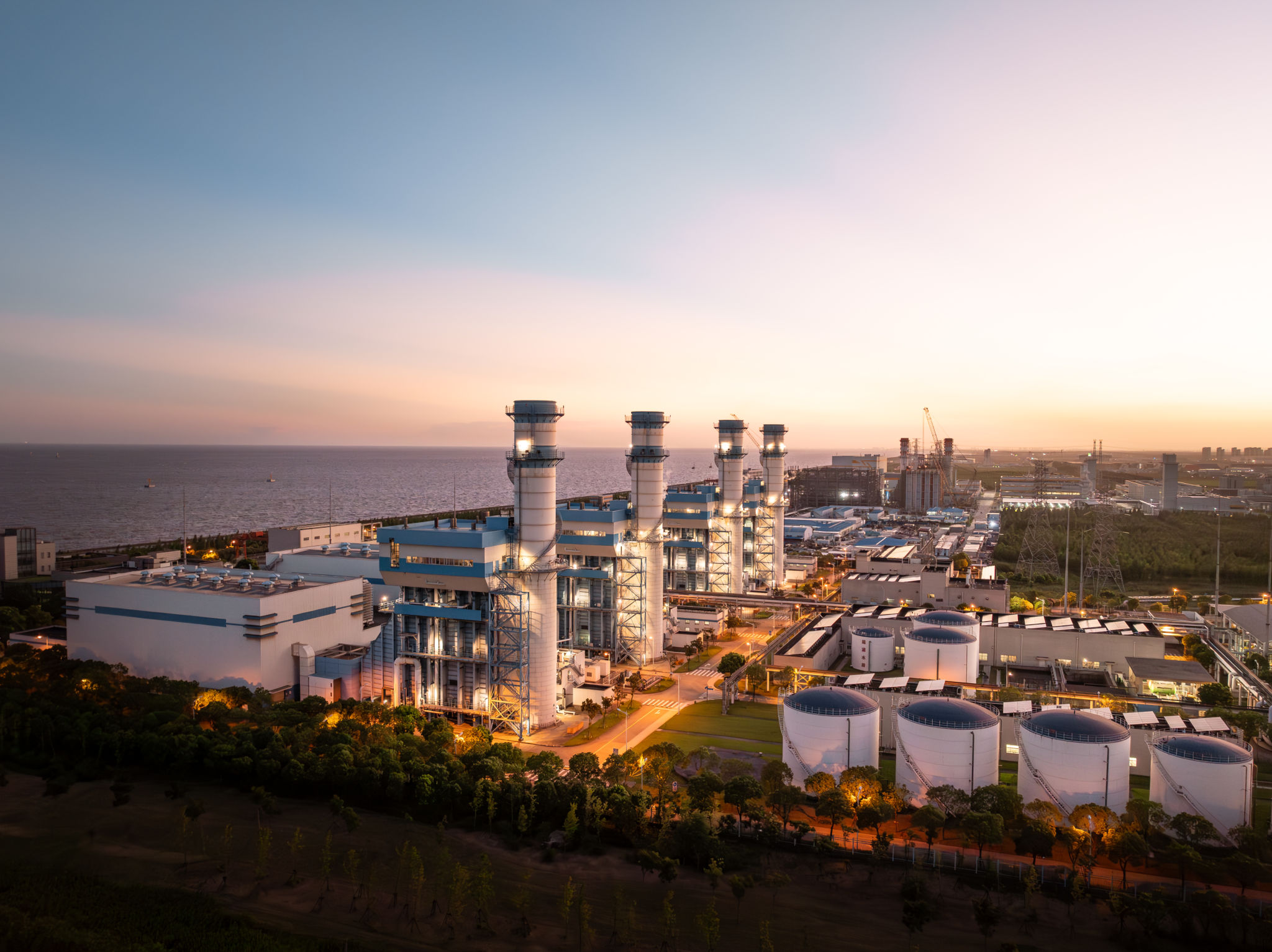
Waste-to-electricity technology primarily involves the thermal treatment of waste materials to generate electricity. Through processes like incineration, pyrolysis, and gasification, waste is converted into useful energy forms. These processes not only help in reducing the volume of waste but also minimize greenhouse gas emissions.

The Environmental Impact
One of the most compelling reasons to adopt waste-to-electricity solutions is their positive environmental impact. Traditional methods of waste disposal, such as landfills, contribute significantly to methane emissions—a potent greenhouse gas. By diverting waste from landfills and converting it into energy, these solutions help in reducing overall carbon footprints.
Moreover, waste-to-energy plants are designed to meet stringent emission standards, ensuring cleaner air quality. This approach supports the transition towards a circular economy, where waste is viewed as a resource rather than a burden.
Reduction in Landfill Usage
Landfills have long been the primary method of waste disposal, but they come with several drawbacks, including space constraints and environmental hazards. Waste-to-electricity solutions drastically reduce the need for new landfills by converting waste into usable electricity. This not only conserves land but also addresses the issues of soil and water contamination associated with traditional landfills.

Economic Benefits
Beyond environmental advantages, waste-to-electricity solutions offer substantial economic benefits. By generating electricity from waste, communities can reduce their reliance on fossil fuels and lower energy costs. This can lead to significant savings for municipalities and ultimately benefit taxpayers.
Furthermore, the construction and operation of waste-to-energy plants create jobs and stimulate local economies. From engineers and technicians to plant operators and maintenance staff, these facilities offer numerous employment opportunities.
Energy Security and Independence
With global energy demands on the rise, achieving energy security is a top priority for many nations. Waste-to-electricity solutions contribute to this goal by providing a stable and reliable source of renewable energy. By harnessing local waste resources, communities can reduce their dependence on imported fuels and enhance their energy independence.
Challenges and Considerations
While the benefits are clear, there are challenges associated with implementing waste-to-electricity solutions. Initial setup costs can be high, and there is a need for careful planning and regulation to ensure environmental safety. Public perception can also be a hurdle, as misconceptions about emissions and environmental impact persist.
However, with technological advancements and increased awareness, these challenges are being addressed. Governments and private sectors are investing in research and development to overcome these obstacles and make waste-to-energy solutions more accessible and efficient.
The Future of Waste Management
The future of waste management lies in sustainable solutions like waste-to-electricity. As technology evolves and becomes more cost-effective, more communities will likely adopt these practices. By doing so, they will not only address the pressing issue of waste management but also contribute to a cleaner and more sustainable planet.
In conclusion, waste-to-electricity solutions offer a revolutionary approach to managing waste while generating renewable energy. By embracing this technology, we can reduce landfill dependence, lower emissions, and create economic opportunities—all essential steps towards a sustainable future.