
Myths and Facts About Waste-to-Energy Technologies


Understanding Waste-to-Energy Technologies
Waste-to-energy (WTE) technologies have gained attention as a potential solution for both waste management and energy production. However, there are numerous myths surrounding these technologies that can lead to misunderstandings about their effectiveness and environmental impact. In this blog post, we aim to clarify some of these myths and present the facts.

Myth 1: Waste-to-Energy Is Harmful to the Environment
One of the most common myths is that waste-to-energy plants cause significant harm to the environment. While it's true that no energy production method is entirely without impact, modern WTE facilities are designed with advanced pollution control technologies. These systems help to minimize emissions and adhere to strict environmental regulations. In fact, WTE can reduce landfill use, which in turn decreases methane emissions—a potent greenhouse gas.
Fact: Waste-to-energy plants are equipped with sophisticated technologies to filter and reduce pollutants, making them a cleaner alternative to landfills.
Myth 2: Waste-to-Energy Discourages Recycling
Another misconception is that WTE technologies discourage recycling practices. On the contrary, these plants are typically integrated into a comprehensive waste management strategy that prioritizes recycling and composting. Only non-recyclable waste is processed in WTE facilities, ensuring that valuable materials are not wasted.
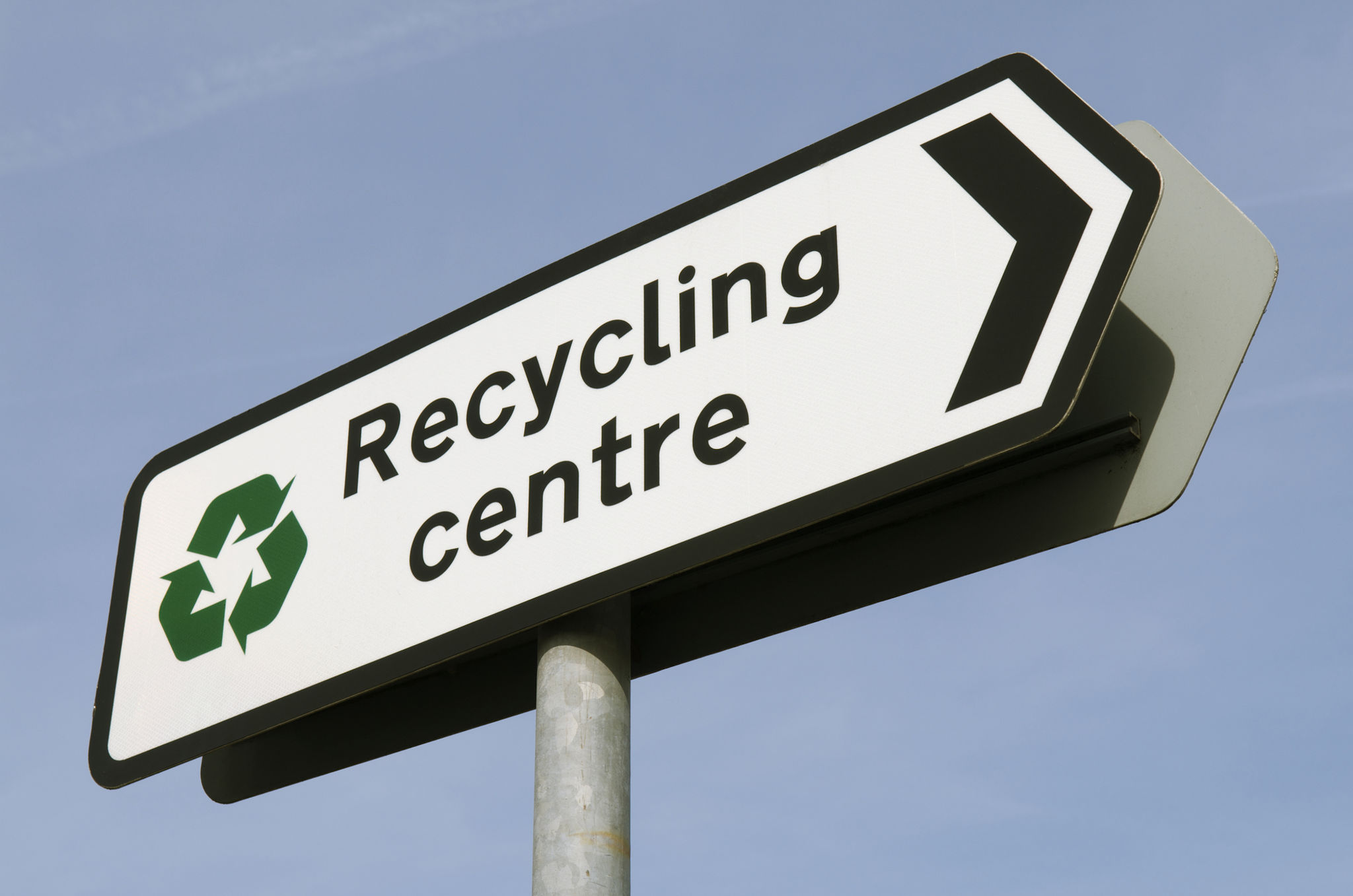
Fact: Waste-to-energy complements recycling efforts by handling residual waste that cannot be recycled.
Myth 3: Waste-to-Energy Is Inefficient
Some critics argue that WTE technologies are inefficient compared to other energy sources. While it's true that they may not match the efficiency of traditional power plants, WTE facilities provide a dual benefit of waste reduction and energy generation. This makes them a valuable component of sustainable waste management strategies.
Fact: Waste-to-energy plants convert waste into electricity and heat, maximizing resource use and reducing landfill dependency.
The Role of Waste-to-Energy in a Sustainable Future
Waste-to-energy technologies play a crucial role in advancing sustainable waste management solutions. By converting waste into energy, these facilities help reduce the volume of landfills while generating renewable energy. This dual benefit supports a circular economy by ensuring that waste materials are used efficiently.

Moreover, WTE can help communities achieve energy independence by providing a local source of power. As urban areas continue to grow, the demand for effective waste management solutions will increase, making WTE an essential part of future infrastructure planning.
Conclusion
Understanding the facts about waste-to-energy technologies is essential for making informed decisions about their role in society. By dispelling myths and recognizing their benefits, we can better appreciate the potential of WTE as part of a sustainable waste management strategy. As technology advances, these systems will likely become even more efficient and environmentally friendly, contributing to a cleaner and more sustainable future.