
Maximizing Sustainability: How Binova Solar Park Converts Waste into Electricity and Fertilizers


Introduction to Binova Solar Park's Innovative Approach
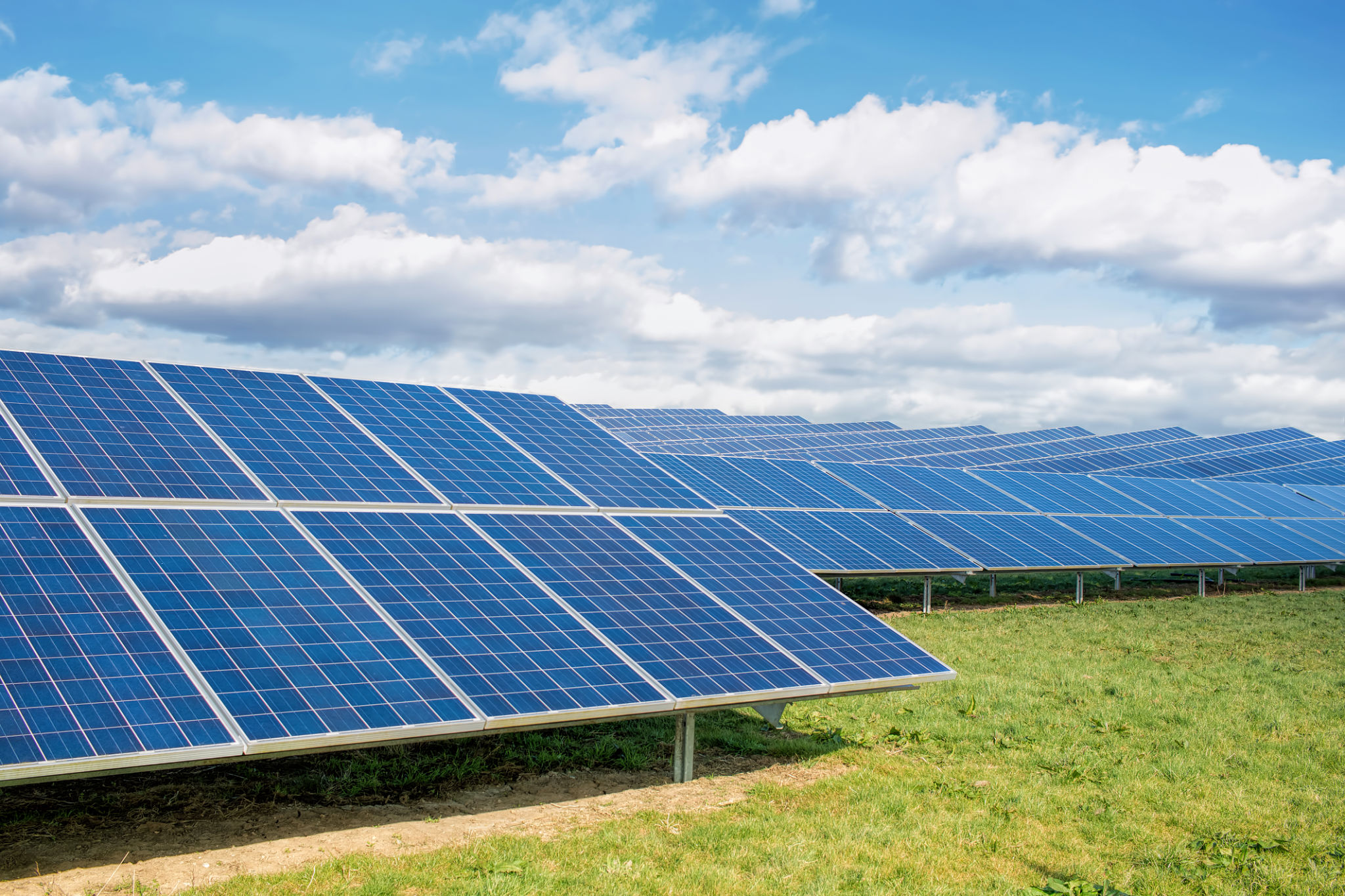
In an era where sustainability is more than just a buzzword, Binova Solar Park stands out as a beacon of innovation. This cutting-edge facility has successfully integrated the conversion of waste into electricity and fertilizers, setting a new standard for renewable energy initiatives. Binova's approach not only reduces environmental footprints but also maximizes resource efficiency, showcasing a model that others can emulate.
The Process of Waste Conversion
At the heart of Binova Solar Park's operations is its ability to transform organic waste into valuable resources. This process begins with the collection of waste materials, which are then subjected to anaerobic digestion. During this phase, microorganisms break down the waste, generating biogas as a byproduct. This biogas can be harnessed to produce electricity, providing a clean and renewable energy source.
The remaining digestate from this process is not discarded but instead processed into nutrient-rich fertilizers. This dual utility ensures that nothing goes to waste, embodying the principles of a circular economy. By turning potential pollutants into power and nourishment, Binova Solar Park effectively addresses two critical environmental challenges simultaneously.

Harnessing Biogas for Electricity
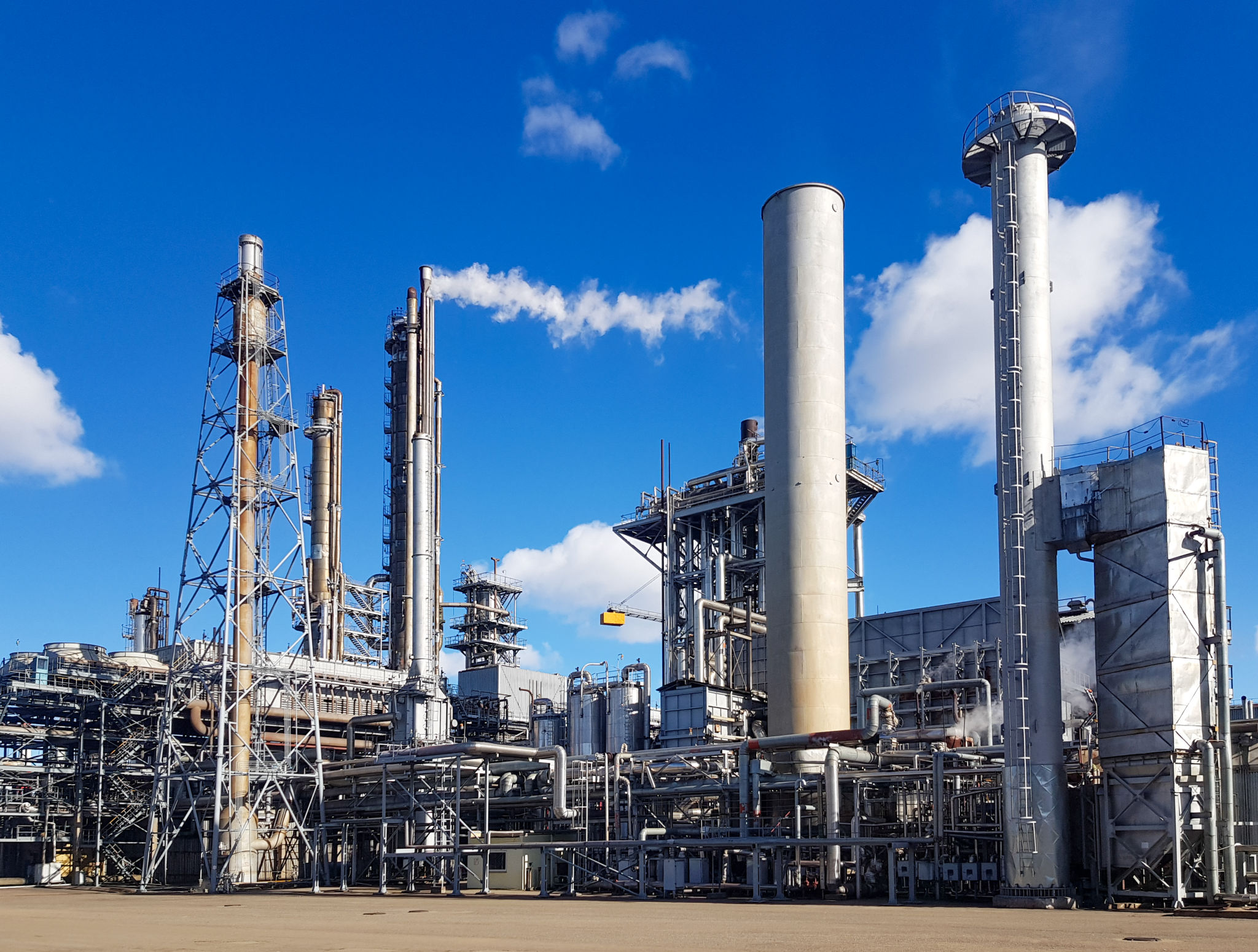
Biogas, primarily composed of methane and carbon dioxide, is a potent energy source when captured and utilized effectively. Binova Solar Park employs state-of-the-art technology to refine this biogas, making it suitable for electricity generation. This process involves cleaning and compressing the gas, allowing it to fuel generators that produce clean energy.
The electricity generated is then fed into the local grid, providing sustainable power to nearby communities. The use of biogas not only reduces reliance on fossil fuels but also cuts down greenhouse gas emissions, making it an environmentally friendly alternative.
Creating Nutrient-Rich Fertilizers
After extracting energy from the biogas, the remaining digestate is processed into fertilizers. This substance is rich in essential nutrients like nitrogen, phosphorus, and potassium, making it an excellent soil amendment for agriculture. By converting waste into fertilizers, Binova Solar Park contributes to sustainable farming practices by reducing the need for chemical fertilizers and improving soil health.
Environmental and Economic Benefits
The environmental benefits of Binova Solar Park's operations are manifold. By diverting waste from landfills and generating renewable energy, the facility significantly reduces methane emissions—a potent greenhouse gas. Additionally, the production of organic fertilizers promotes sustainable agriculture and helps restore degraded soils.
Economically, the park creates jobs in waste management, energy production, and fertilizer manufacturing. By investing in such sustainable practices, Binova Solar Park not only contributes to local economies but also sets a precedent for cost-effective environmental stewardship.
Future Prospects and Expansion
Looking ahead, Binova Solar Park aims to expand its operations and increase its impact. Plans are underway to enhance their waste collection networks and improve biogas extraction techniques. The goal is to scale up production capacity, providing even more renewable energy and fertilizers to meet growing demands.
The success of Binova Solar Park serves as an inspiration for similar projects worldwide. By demonstrating the feasibility and profitability of converting waste into valuable resources, this innovative facility paves the way for widespread adoption of sustainable practices in energy and agriculture sectors.

Conclusion: A Model for Sustainability
Binova Solar Park exemplifies how innovative solutions can address some of the most pressing environmental challenges of our time. By converting waste into electricity and fertilizers, the park not only reduces environmental impact but also fosters economic growth and sustainability. As more facilities adopt similar models, we inch closer to a future where sustainability is the norm rather than the exception.