Five Myths About Waste-to-Energy Solutions Debunked


Understanding Waste-to-Energy Solutions
As the world grapples with increasing waste production and energy demands, waste-to-energy (WtE) solutions have emerged as a promising approach to address both issues. Despite their potential, several myths surround this technology, often leading to misconceptions about its benefits and feasibility. In this blog post, we aim to debunk five common myths about waste-to-energy solutions.
Myth 1: Waste-to-Energy Is Harmful to the Environment
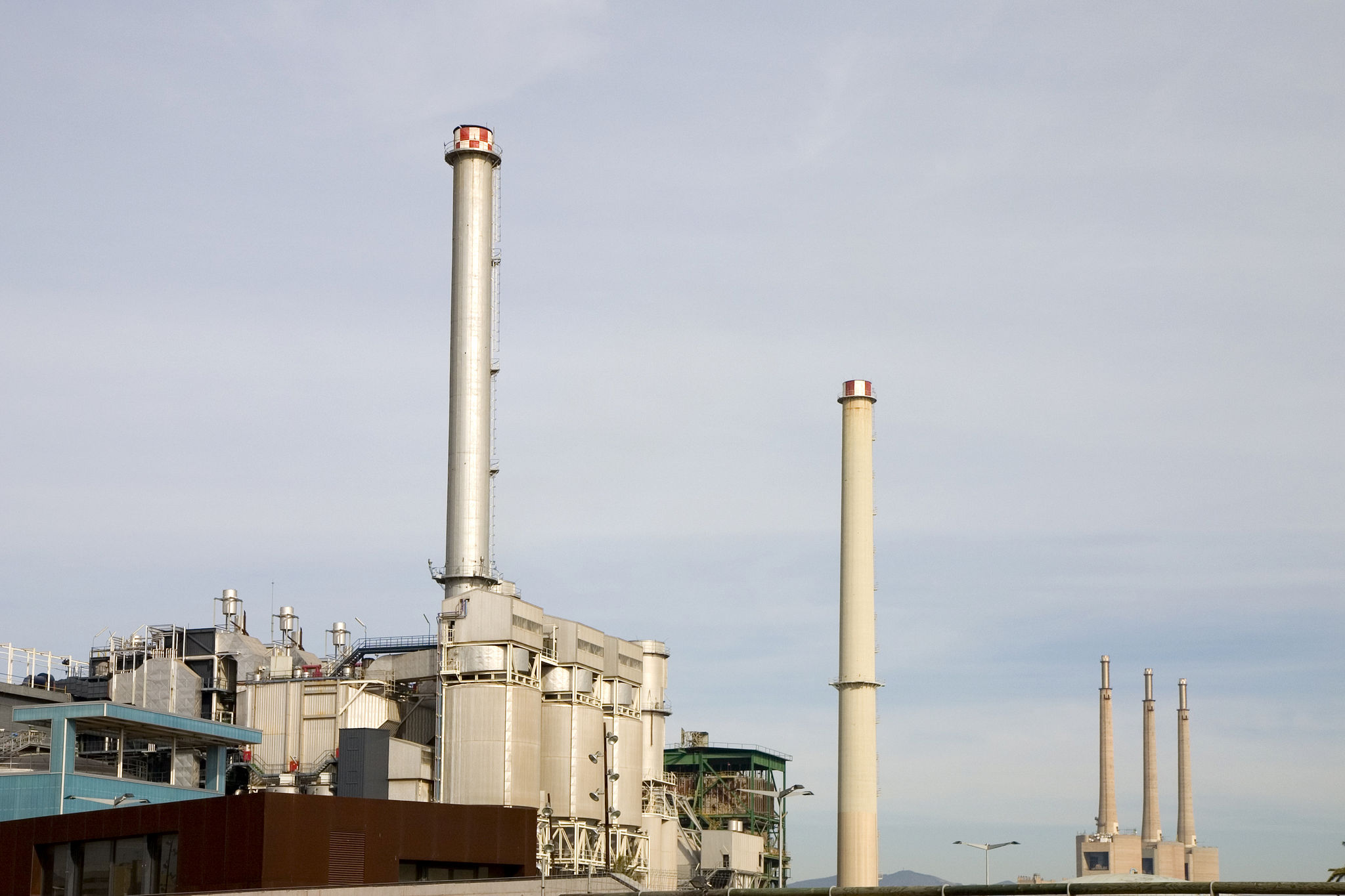
A prevalent myth is that waste-to-energy plants are detrimental to the environment, primarily due to emissions. However, modern WtE facilities are equipped with advanced pollution control technologies that minimize emissions and adhere to stringent environmental regulations. By converting waste into energy, these plants reduce landfill use and lower greenhouse gas emissions compared to traditional waste disposal methods.
Advanced Emission Controls
Today's waste-to-energy plants use sophisticated filtering systems and other technologies to capture and neutralize pollutants. This ensures that the air quality around these facilities is maintained within safe limits, making WtE a cleaner alternative to landfills.
Myth 2: Waste-to-Energy Discourages Recycling Efforts
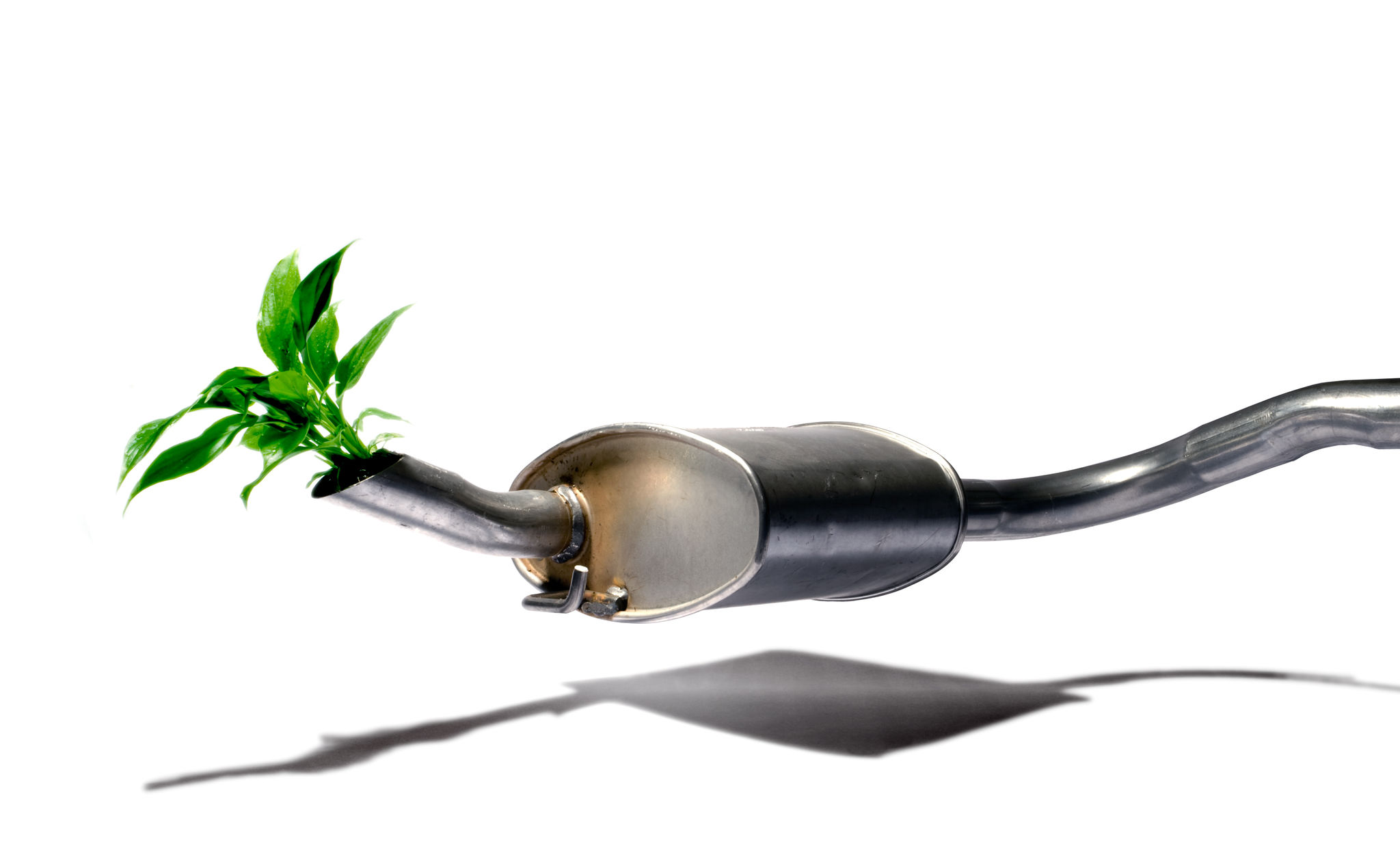
Another common misconception is that waste-to-energy solutions undermine recycling initiatives. On the contrary, WtE complements recycling by handling waste that cannot be recycled efficiently. It is important to note that WtE facilities prioritize the incineration of non-recyclable materials.
Complementing Recycling Efforts
Countries with successful waste management systems integrate both recycling and WtE facilities. For example, in some European countries, high recycling rates coexist with efficient waste-to-energy plants, showcasing a balanced approach to waste management.
Myth 3: Waste-to-Energy Is Not Cost-Effective
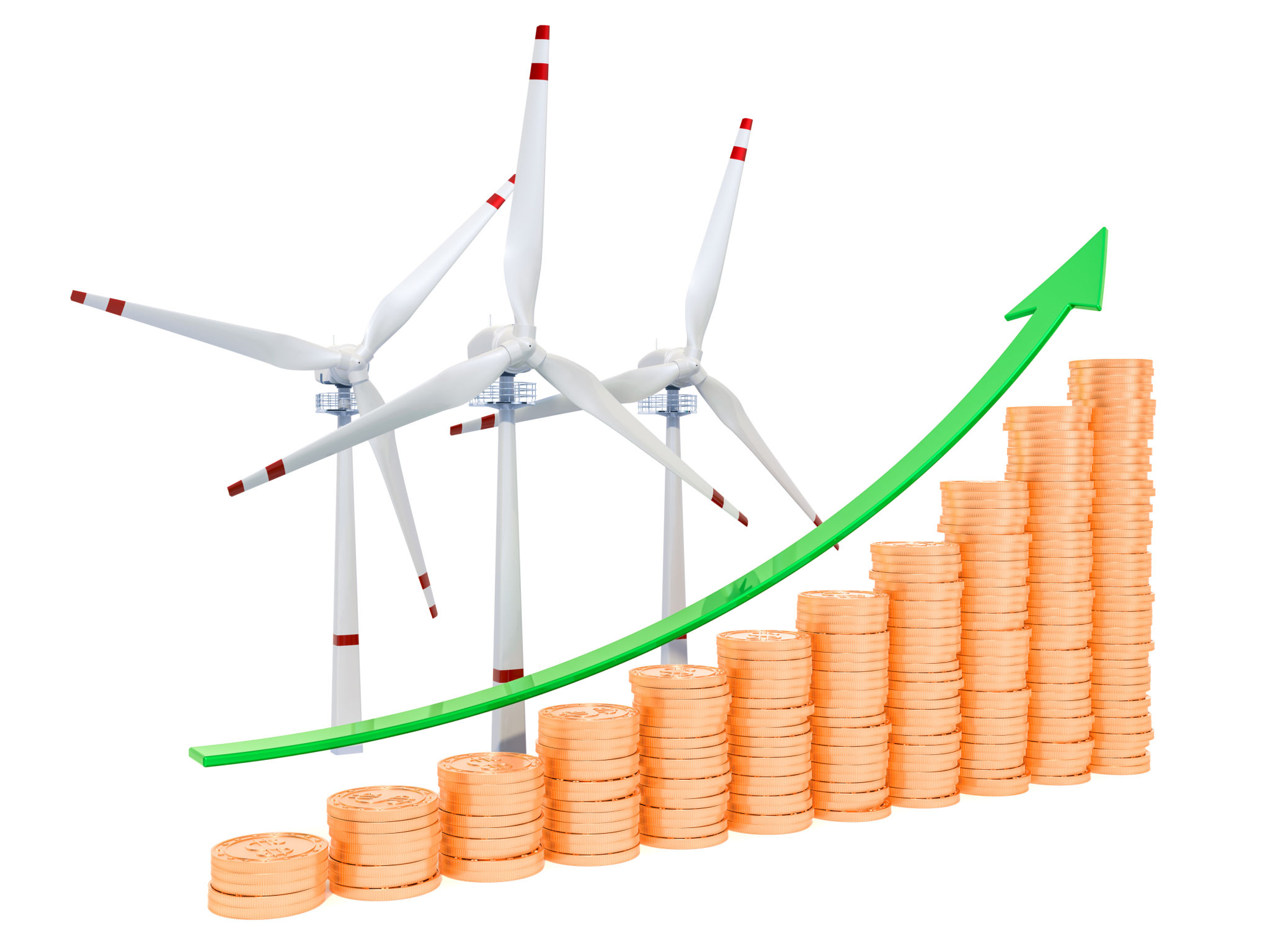
Many believe that waste-to-energy solutions are prohibitively expensive, but this myth overlooks the long-term economic benefits. While initial investments can be substantial, the energy produced offsets costs over time and provides a steady revenue stream.
Economic Advantages
Waste-to-energy plants generate electricity and heat that can be sold to the grid or used locally. This not only reduces dependency on fossil fuels but also helps stabilize energy prices. Additionally, by reducing landfill usage, municipalities can lower waste management costs.
Myth 4: Waste-to-Energy Plants Are Inefficient
Some critics argue that WtE plants are inefficient compared to other energy sources. However, modern facilities have significantly improved efficiency levels through technological advancements, making them viable contributors to the energy mix.
Efficiency Improvements
Advancements in combustion technology and energy recovery have bolstered the efficiency of WtE plants. These innovations allow for better energy conversion rates, making waste-to-energy a competitive option in renewable energy portfolios.
Myth 5: Waste-to-Energy Has Limited Applications
The final myth is that waste-to-energy is limited in scope and application. In reality, its adaptability makes it suitable for various contexts, from urban areas with high waste production to rural regions seeking sustainable energy solutions.
Diverse Applications
- Urban settings benefit from reduced landfill dependency and enhanced energy security.
- Rural areas can leverage local waste resources for energy production.
- Industries can use WtE to manage hazardous or non-recyclable by-products.
Overall, waste-to-energy solutions offer flexible applications across different sectors and geographies.